

6 min read
Picture a typical supplement shelf: a B-complex for energy, a magnesium blend for sleep, a multivitamin, and an energy drink in the fridge. Each one looks reasonable on its own. Add them up, though, and the vitamin B6 can climb far past what your body needs. That matters, because B6 is one of the few water-soluble vitamins with a well-documented toxicity, and the main symptom, tingling or numbness in the hands and feet, is easy to blame on something else.
Quick answer: adults need only 1.3 to 1.7 mg of vitamin B6 a day. In the U.S. the upper limit is 100 mg a day, but Europe’s food safety agency lowered its adult limit to 12 mg a day in 2023, and Australia has logged 250 reports of nerve problems linked to B6 products. Too much B6 can cause sensory neuropathy, which usually improves after you stop. Check every label you take, because B6 hides in more products than you might expect.
What Vitamin B6 Does
Vitamin B6 is a team player in your metabolism. It helps your body break down protein, make neurotransmitters like serotonin and dopamine, form red blood cells, and keep homocysteine in check. It is genuinely essential, and deficiency can cause skin rashes, cracked lips, a sore tongue, and in adults, confusion.
The catch is that you need very little of it, and most people get enough from food.
How Much B6 Do You Need?
The NIH Office of Dietary Supplements lists these Recommended Dietary Allowances:
- Adults 19 to 50: 1.3 mg
- Men 51 and older: 1.7 mg
- Women 51 and older: 1.5 mg
- Pregnancy: 1.9 mg
- Breastfeeding: 2.0 mg
Food covers that easily. One cup of canned chickpeas has 1.1 mg, three ounces of yellowfin tuna or beef liver has 0.9 mg, and a medium banana or a cup of boiled potatoes has 0.4 mg. Chicken breast and salmon add 0.5 to 0.6 mg per serving. There are no reports of harm from B6 in food. The concern is supplements.
What Too Much Vitamin B6 Looks Like
The classic problem is sensory neuropathy, damage to the nerves that carry feeling from your skin. People describe:
- Tingling, burning, or pins and needles in the hands or feet
- Numbness that spreads slowly
- Trouble with balance or coordination, especially in the dark
The severe cases in the medical literature involved 1 to 6 grams a day taken for 12 to 40 months. But the NIH notes reports of neuropathy at doses below 500 mg a day, and Australian regulators have received reports involving daily doses as low as 25 mg. One frustrating twist: some symptoms of B6 deficiency and B6 excess overlap, so people sometimes take more B6 to fix a problem that B6 is causing.
The good news is that symptoms usually improve once the extra B6 is stopped, although recovery can take months.
Why the Upper Limits Differ Around the World
Different agencies have looked at the same evidence and drawn different lines:
- United States: 100 mg a day. The Food and Nutrition Board set this in 1998. Studies averaging 200 mg a day for up to five years did not show neuropathy, so the board halved that number to build in a safety margin.
- European Union: 12 mg a day. In 2023, the European Food Safety Authority set a much lower adult limit after reviewing case reports and newer data on neuropathy.
- Australia: tighter rules coming. Since March 2022, products with more than 10 mg of B6 per daily dose must carry a warning to stop taking them if you feel tingling, burning, or numbness. After 250 reports of peripheral neuropathy, the Therapeutic Goods Administration decided in November 2025 that, starting June 1, 2027, products with more than 50 mg per daily dose will be available only with a pharmacist’s advice, and products above 200 mg will remain prescription only.
You do not need to live in Europe or Australia to learn from their caution. If you are taking more than a few milligrams of B6 a day without a medical reason, it is worth asking why.
Where Hidden B6 Comes From
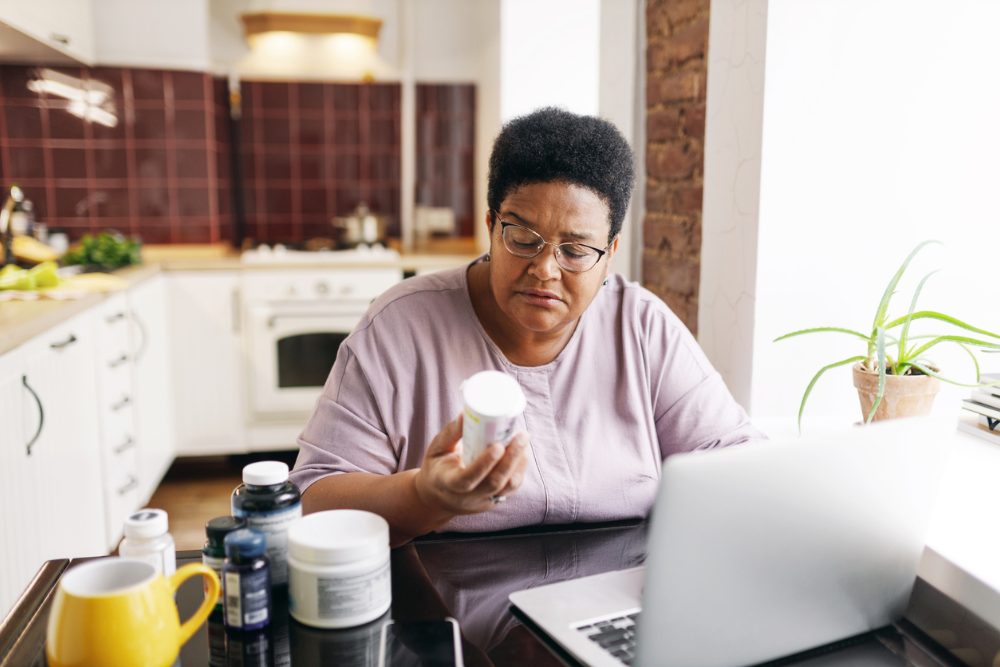
Most people who end up with too much B6 never bought a B6 supplement. It shows up in:
- B-complex and “energy” formulas, which often contain 25 to 100 mg
- Magnesium blends marketed for sleep, stress, or cramps
- Zinc, hair, skin, and nail products
- PMS and hormone support formulas
- Energy drinks and fortified foods
It also hides behind chemical names. Look for pyridoxine hydrochloride, pyridoxal 5′-phosphate (often shortened to P5P), and pyridoxamine. All of them count. Add up every product you take daily, including drinks, to see your real total. Our guide to reading a supplement label shows where to find these numbers.
Who Actually Needs More B6?
Some people do benefit from extra B6, under medical supervision. The NIH lists people with kidney disease, autoimmune conditions like rheumatoid arthritis or inflammatory bowel disease, and alcohol dependence as groups that often run low. Certain medications, including some anti-seizure drugs, can lower B6 levels too. We cover more of those in common medications that can lower your vitamin levels.
B6 is also a first-line option for nausea and vomiting in pregnancy, with the American College of Obstetricians and Gynecologists suggesting doses of 10 to 25 mg three or four times a day. Because that approaches the upper limit, it should be guided by your obstetric provider rather than self-prescribed.
Where a Daily Multivitamin Fits
A sensible multivitamin should cover your B6 needs without pushing you anywhere near the limits. Our Vitamin100 Multivitamin provides 1.7 mg of B6 as pyridoxine hydrochloride, which is 100% of the Daily Value. That is far below the U.S. limit of 100 mg and comfortably below Europe’s 12 mg as well.
If you take Vitamin100 along with a B-complex or a magnesium blend, check those labels before assuming more is better. As we explained in why most multivitamins have too much of what you do not need, megadoses rarely add benefit and sometimes add risk.
Frequently Asked Questions
Is 100 mg of vitamin B6 a day safe?
It is the U.S. upper limit, not a target. Most healthy adults need less than 2 mg a day. Unless a clinician has recommended a higher dose for a specific reason, there is little to gain from taking anywhere near 100 mg, and other countries have set their limits much lower.
Is nerve damage from B6 permanent?
In most reported cases, symptoms improve after the extra B6 is stopped, though it can take several months. The NIH notes that stopping as soon as neurological symptoms appear gives the best chance of recovery. If you have numbness or tingling, talk with your doctor and bring a list of everything you take.
Is P5P safer than regular vitamin B6?
P5P (pyridoxal 5′-phosphate) is the active form of B6, but there is no strong evidence that it is safer at high doses. Regulators such as Australia’s TGA include all forms of B6 in their safety rules, so count P5P toward your total.
Can you get too much vitamin B6 from food?
No adverse effects have been linked to B6 from food. Problems come from supplements and heavily fortified products, especially when several are combined.
The Bottom Line
Vitamin B6 is essential in small amounts and risky in large ones. Adults need under 2 mg a day, food supplies most of it, and the main danger is stacking several supplements that each contain a large dose. Read your labels, add up your total, and if you notice tingling or numbness in your hands or feet, stop the extra B6 and talk with your doctor.
Sources
- Vitamin B6: Fact Sheet for Health Professionals, NIH Office of Dietary Supplements, accessed 2026
- Medicines containing vitamin B6 (pyridoxine, pyridoxal or pyridoxamine), Therapeutic Goods Administration, Australia, 2025
- Scientific opinion on the tolerable upper intake level for vitamin B6, EFSA Journal, 2023
- Vitamin B6 supplements face new regulation in Australia, NutraIngredients, 2025
These statements have not been evaluated by the Food and Drug Administration. This product is not intended to diagnose, treat, cure, or prevent any disease. This article is for general education and is not a substitute for advice from your healthcare provider.