
5 min read
Almost everyone has one: the half-used bottle of vitamins at the back of the cabinet, bought with good intentions and forgotten. When you finally find it, the question is always the same. Is this still good, or is it time to toss it? The answer depends less on the date stamped on the bottle than on where that bottle has been sitting.
Quick answer: vitamins do not usually become harmful after their date, but they slowly lose strength, so an old bottle may not give you the dose on the label. The FDA does not require supplements to carry an expiration date, but if a company prints one, it must be backed by data. Storage matters more than the calendar. Heat and humidity, especially in the bathroom, can ruin supplements well before their date.
What the Date on Your Bottle Means
Unlike prescription and over-the-counter drugs, dietary supplements are not legally required to carry an expiration date. Many do anyway, often labeled “best by” or “use by.” Under the FDA’s manufacturing rules, a company that chooses to print a date needs stability data showing the product will still meet its label claims through that date.
Most vitamins carry a shelf life of about one to two years. Tablets and hard-shell capsules tend to be among the most stable formats when stored well. The date assumes reasonable storage, though. It does not account for a bottle that spent the summer in a hot car or the winter next to a steamy shower.
Do Expired Vitamins Still Work?
An expired multivitamin is unlikely to hurt you, but it may not deliver what the label promises. Vitamins break down gradually, and some go faster than others. Taking a slightly past-date bottle now and then is not a crisis.
That said, potency matters more for some situations than others. If you are taking a supplement for a specific reason, like a vitamin your doctor recommended to correct a low level, or folic acid while trying to conceive, use a bottle that is within its date so you know what you are getting.
Why Your Bathroom Is the Worst Place for Vitamins
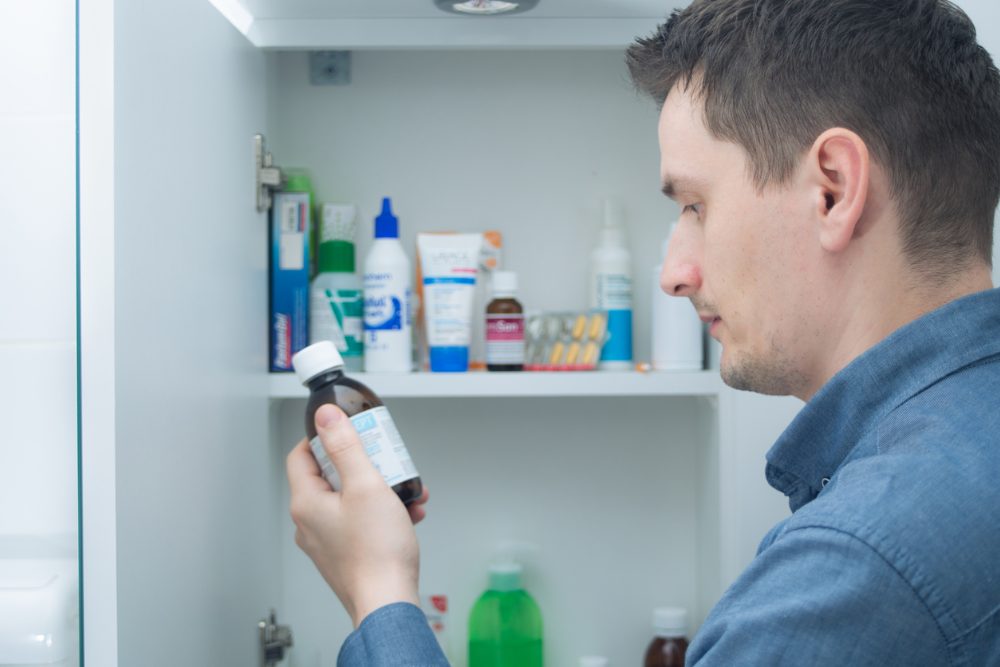
The medicine cabinet over the sink feels like the natural home for vitamins. It is actually one of the worst spots. Research from Purdue University found that humidity can trigger a process called deliquescence, where certain vitamin ingredients pull moisture from the air until they start to dissolve.
A few findings stand out:
- Bathroom humidity can rise above 98% after a hot shower.
- Some ingredient blends began absorbing moisture at humidity as low as 30%.
- Every time you open the bottle in a humid room, more moisture gets in, even if the lid is screwed on tight between uses.
- The damage is permanent. Some vitamin C products lost all of their vitamin C within a week of deliquescing.
The kitchen can be a problem too, especially the cabinet above the stove or next to the dishwasher.
Which Supplements Are the Most Fragile
Not all products age at the same rate. In general:
- Most fragile: probiotics, liquids, and oil-based products like fish oil, which are sensitive to heat, moisture, and air. Fish oil can also go rancid.
- Middle of the pack: gummies, which hold more moisture and tend to lose potency faster. We explained why in gummy vitamins vs. capsules.
- Most stable: dry tablets and capsules kept sealed in their original bottle.
How to Store Supplements the Right Way
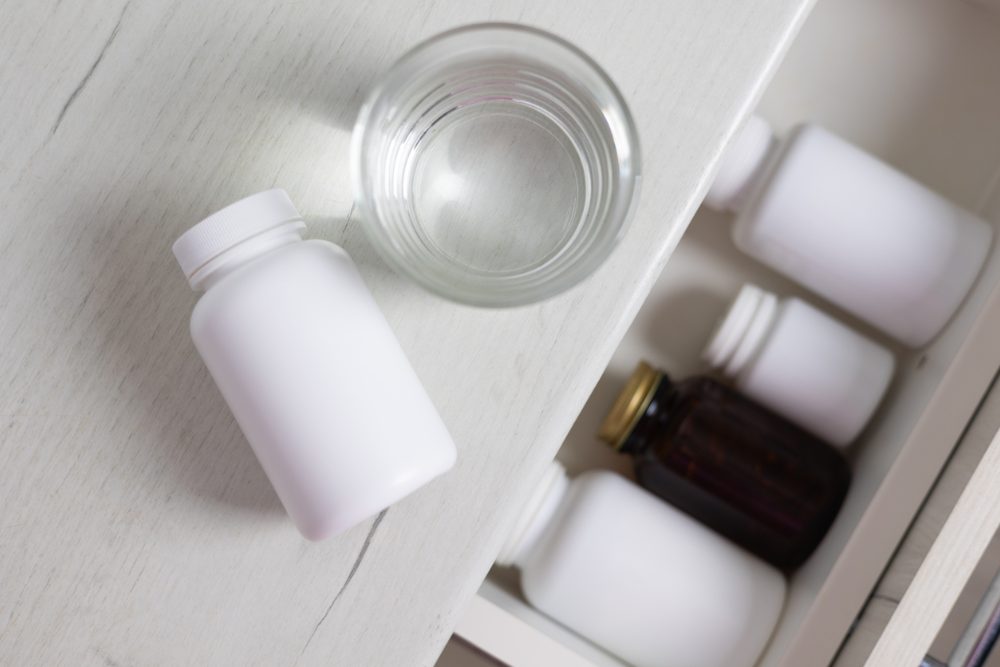
A few simple habits go a long way:
- Pick a cool, dry spot. A bedroom dresser drawer, a closet shelf, or a pantry away from the stove all work well.
- Keep them in the original bottle. It is designed to block light and moisture, and it keeps the lot number and date with the product.
- Leave the desiccant packet in. That little packet absorbs moisture each time you open the bottle.
- Close the lid tightly right away. Do not leave the bottle open on the counter while you make breakfast.
- Only refrigerate if the label says to. Some probiotics need the fridge. For most vitamins, a cold fridge can cause condensation every time the bottle comes out.
- Do not leave them in a hot car. Summer heat inside a parked car can degrade supplements quickly.
- Keep them out of reach of children. Products with iron are especially dangerous for young kids.
If you use a weekly pill organizer, fill it one week at a time rather than loading a month ahead, so most of your supply stays sealed. Our tips on how to remember to take your vitamins include a few other organizer tricks.
Signs a Supplement Has Gone Bad
Whatever the date says, toss a product if you notice:
- A change in color, or brown or dark spots
- Tablets that are crumbling, swollen, or stuck together
- Capsules that are soft, sticky, or leaking
- Gummies that have fused into a clump
- An unusual or sour smell, or a strong fishy, rancid odor from fish oil
How to Throw Old Vitamins Away
Do not flush supplements down the toilet. The FDA’s household disposal steps for medicines work well for supplements too:
- Mix the tablets or capsules with something unappealing, like used coffee grounds, dirt, or cat litter. Do not crush them.
- Seal the mixture in a plastic bag.
- Throw the bag in your household trash.
- Scratch out any personal information on the label before recycling or tossing the bottle.
Many pharmacies and police stations also have drop-off boxes for unused medicines.
Where a Daily Multivitamin Fits
The simplest way to avoid expired vitamins is to finish what you buy. Our Vitamin100 Multivitamin comes as a 30-day supply of capsules, so a bottle is used up long before freshness becomes a question when you take it daily. Keep it in a cool, dry spot, take it with a meal, and reorder when you open the last week’s worth.
If you are not sure when to take it, our guide to the best time to take your vitamins covers it.
Frequently Asked Questions
Is it safe to take expired vitamins?
Expired vitamins are generally not dangerous, but they may be weaker than the label says. If the product looks, smells, or feels different, or if you rely on a specific dose for a medical reason, replace it.
Should vitamins be kept in the refrigerator?
Only if the label says so, as with some probiotics. For most vitamins, the refrigerator adds moisture through condensation each time you take the bottle out. A cool, dry cabinet or drawer is better.
How long do vitamins last once opened?
There is no universal rule, but most products are designed to stay potent through their printed date if you keep the lid closed and store them away from heat and humidity. Opening the bottle in a steamy bathroom shortens that window.
Do gummy vitamins expire faster than capsules?
Generally, yes. Gummies hold more moisture, which speeds up nutrient breakdown. Manufacturers often add extra vitamins to compensate, which is one reason gummy doses can drift from their labels over time.
The Bottom Line
Vitamins rarely become harmful after their date, but they do lose strength, and poor storage speeds that up. Skip the bathroom cabinet, keep bottles sealed with their desiccant in a cool, dry place, and toss anything that has changed in color, texture, or smell. Better yet, buy a supply you will actually finish.
Sources
- Vitamins stored in bathrooms, kitchens may become less effective, Purdue University, 2010
- Disposal of Unused Medicines: What You Should Know, U.S. Food and Drug Administration, accessed 2026
- What’s in a Date? Supplement Expiration Dating, Holistic Primary Care, accessed 2026
These statements have not been evaluated by the Food and Drug Administration. This product is not intended to diagnose, treat, cure, or prevent any disease. This article is for general education and is not a substitute for advice from your healthcare provider.