
7 min read
A reader once wrote to the Tufts Health and Nutrition Letter with a question that probably sounds familiar: they had been taking 50 milligrams of zinc every day, then noticed the recommended limit was 40. Was it OK to keep going? What actually happens if you take too much?
It is a fair question, because zinc is everywhere right now. It is in cold lozenges, “immune” gummies, effervescent drink tablets, and most multivitamins, and it is easy to stack several without noticing. So how much zinc is too much, and how much do you actually need?
Quick answer: For adults, the Tolerable Upper Intake Level for zinc is 40 mg per day from all sources, including food and supplements. Most adults need only 8 to 11 mg a day. Taking 50 mg or more daily for weeks can lower your copper levels, weaken immune function, and reduce HDL (“good”) cholesterol, which is the opposite of what most people take zinc for.
[IMAGE: Several supplement bottles and a pack of zinc lozenges spread on a kitchen counter next to a notepad adding up milligrams | alt: how much zinc is too much when combining multivitamins and zinc lozenges]
How Much Zinc Do You Actually Need?
Zinc is a trace mineral, which means your body needs it in small amounts but relies on it constantly. It plays a part in immune function, wound healing, taste and smell, and the activity of hundreds of enzymes. You do not store much of it, so a steady daily intake matters more than big doses.
According to the NIH Office of Dietary Supplements, the Recommended Dietary Allowance for adults is:
- Men: 11 mg per day
- Women: 8 mg per day
- Upper limit for all adults: 40 mg per day, from food and supplements combined
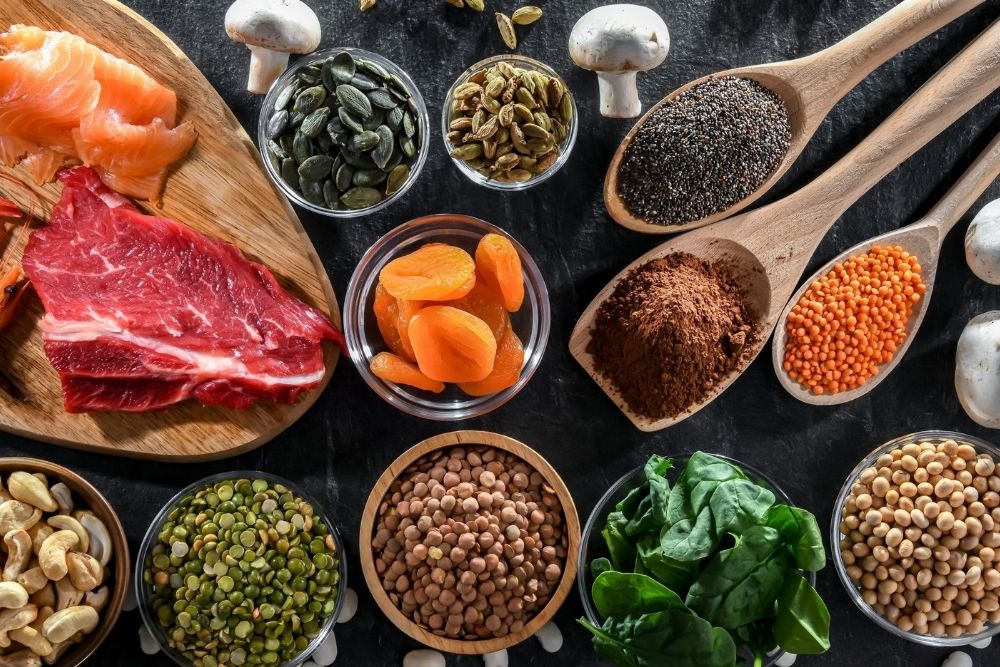
Many people get a good portion of that from food. The Harvard T.H. Chan School of Public Health lists shellfish (oysters, crab, lobster), beef, poultry, pork, legumes, nuts and seeds, whole grains, and fortified breakfast cereals among the main sources. Oysters are in a league of their own, so a plate of them can deliver far more zinc than a typical day’s worth.
How Much Zinc Is Too Much? What Happens Above the Limit
The 40 mg upper limit is not a cliff edge where problems start the moment you cross it. It is the highest daily intake that is unlikely to cause harm for most people over time. The concern grows with dose and with duration.
The NIH fact sheet notes that taking 50 mg or more of zinc for extended periods can:
- Block copper absorption. Zinc and copper compete in the gut, and too much zinc can leave you low in copper.
- Reduce immune function. Yes, really. The mineral people take for immunity can work against it at high doses.
- Lower HDL cholesterol, the kind you generally want more of.
Short-term, very high doses can also cause nausea, stomach cramps, and diarrhea. That is usually what people notice first.
The copper problem is not just theoretical
A 2022 case report in The American Journal of Medicine describes a 66-year-old woman who took about 65 mg of zinc a day, from a multivitamin plus a separate zinc supplement, hoping to strengthen her immune system during the pandemic. She developed severe neutropenia (a dangerously low count of a key infection-fighting white blood cell) and her copper was undetectable. After she stopped the zinc and received copper replacement, her blood counts recovered.
One case does not mean everyone taking extra zinc is in danger. But it shows exactly how this tends to happen: not from one reckless megadose, but from stacking two reasonable-looking products for months.
Does Zinc Help With Colds?
This is the other big reader question, and it is worth being honest about. The most thorough answer comes from a 2024 Cochrane review of 34 trials with 8,526 participants.
- Prevention: Taking zinc regularly may make little or no difference to whether you catch a cold (low-certainty evidence).
- Treatment: Taking zinc once a cold starts may shorten it by about two days on average, but the certainty of that evidence is low.
- Side effects: People taking zinc for colds probably had more non-serious side effects, with taste changes and stomach upset the most common.
So the picture is mixed. A short course of lozenges at the first sign of a cold might help some people a bit, and it is a very different thing from taking high-dose zinc every day, all year, “just in case.”
Why zinc still matters for immunity
None of this means zinc is unimportant. Harvard notes that even a mild or moderate deficiency can slow the activity of lymphocytes, neutrophils, and macrophages, the cells that protect you from viruses and bacteria. The goal is enough, consistently, not as much as possible.
Who Might Actually Be Low in Zinc?
Most healthy adults who eat a varied diet get adequate zinc. A few groups are more likely to fall short and are worth a conversation with a clinician:
- Vegetarians and vegans, because plant foods contain compounds that reduce zinc absorption.
- People with digestive conditions such as Crohn’s disease or those who have had gastrointestinal surgery.
- People with alcohol use disorder. The NIH notes that 30% to 50% have low zinc status.
- Older adults with poor appetite or a limited diet.
If you think you might be low, talk with your clinician before reaching for high-dose zinc. Zinc can also interact with some antibiotics and other medications, so a quick check with your pharmacist is worthwhile.
How to Add Up Your Daily Zinc
The simplest way to stay in a sensible range is to do a quick audit. Pull out every supplement you take and check the Supplement Facts panel for zinc. Our guide on how to read a supplement label shows you where to look.
- Your multivitamin. Note the milligrams per serving, not per capsule, since many servings are two or more.
- Immune blends and gummies. These often contain zinc alongside vitamin C and elderberry.
- Cold lozenges. These are dosed several times a day, so multiply the per-lozenge amount by how many you actually take.
- Fortified foods. Some breakfast cereals add a meaningful amount.
If the total from supplements alone is creeping toward 40 mg on a regular basis, it is time to trim. This is one of the reasons we are wary of products loaded with several times the Daily Value, a topic we dig into in why most multivitamins have too much.
It is also part of why our own multivitamin sticks to the Daily Value. Vitamin100 provides 11 mg of zinc as zinc citrate along with 900 mcg of copper, so the two stay in balance rather than competing. If you add a short course of lozenges during a cold, there is plenty of room under the limit. As for timing, zinc is easier on the stomach with food, which we cover in our guide to the best time to take your vitamins.
Frequently Asked Questions
Is 50 mg of zinc a day too much?
For long-term daily use, yes, it is above the 40 mg adult upper limit. Research summarized by the NIH links 50 mg or more over extended periods with low copper, reduced immune function, and lower HDL cholesterol. If a clinician has prescribed a higher dose for a specific reason, follow their plan and ask how long it should last.
Can I take zinc lozenges and a multivitamin together?
Usually, for a short stretch. Add up the zinc in both and keep the total reasonable, and don’t turn a few days of lozenges into a months-long habit. Lozenges are meant for the cold, not for every day.
What are the signs of too much zinc?
Short-term, the common signs are nausea, stomach cramps, loss of appetite, and diarrhea. Longer-term excess can cause low copper, which may show up as anemia, low white blood cell counts, or numbness and tingling. A blood test is the only way to know for sure.
Should I take zinc every day to prevent colds?
The best current evidence says daily zinc may make little or no difference to whether you catch a cold. Getting enough zinc from food and a basic multivitamin supports normal immune function, but extra zinc beyond that has not been shown to keep colds away.
The Bottom Line
Zinc is a genuinely important mineral, and more is not better. Aim for roughly 8 to 11 mg a day, stay under 40 mg from all sources, and be especially careful about stacking a multivitamin, an immune blend, and lozenges at the same time. If you have been taking 50 mg or more for a while, that is worth mentioning to your clinician at your next visit.
Sources
- Zinc: Fact Sheet for Health Professionals, NIH Office of Dietary Supplements, 2026
- Zinc for the prevention and treatment of the common cold, Cochrane, 2024
- Zinc, Harvard T.H. Chan School of Public Health, The Nutrition Source, 2025
- The COVID-19 Pandemic and Zinc-Induced Copper Deficiency: An Important Link, The American Journal of Medicine, 2022
- Q: I take 50 milligrams of zinc daily, but it looks like you should take only 40 milligrams per day. Is it OK to continue?, Tufts Health and Nutrition Letter
These statements have not been evaluated by the Food and Drug Administration. This product is not intended to diagnose, treat, cure, or prevent any disease. This article is for general education and is not a substitute for advice from your healthcare provider.